In recent years, the European Union (EU) has witnessed a profound transformation in the world of spirits. An evolution is underwayaEUR”one that speaks to the ever-changing preferences, tastes, and mindful choices of customers. As the EU adopts a sustainable approach and more individuals seek alternatives to traditional alcohol drinks and the growth of sustainable spirits that are alcohol-free has emerged as a compelling trend. In this article, you will be taken on a journey to explore this intriguing phenomenon.
The Rise of Sustainable Spirits in the EU
Changes in the EU Alcohol Market
The landscape of the alcohol market in the EU is experiencing a major change. Traditionally, alcoholic drinks have played an important role in European cultural traditions, with wine or beer as well as spirits being a common feature of social gatherings and meals. However, in recent years, an interesting trend has emergedaEUR”consumers are becoming more conscious of their choices.
The EU market for alcohol, previously predominantly characterized by drinking of alcohol-based beverages, is now experiencing a shift towards sustainable, healthier with alcohol-free choices. The desire to be mindful of consumption in the wake of health issues social responsibility, as well as environmental consciousness, has given rise to an emerging era of spiritsaEUR”the type that is non-alcoholic and sustainable.
The Rise of Alcohol-Free Spirits
At the forefront of this new trend are innovative brands that have realized the change in consumer preferences. These forward-thinking companies have created a line of alcohol-free drinks that not solely offer a substitute for traditional alcohol, however they also consider sustainability.
The rise of alcohol-free spirits represents a radical departure from past. They are devoid of alcohol yet packed with flavour bring out the essence of traditional drinks without having the intoxicating effects. While the idea of alcohol-free spirits may not be entirely new, the emphasis on sustainability and environmental responsibility is an upcoming and vital development.
This article will go deeper into this exciting trend studying the environmental effects of traditional alcohol production, as well as how sustainable practices are being integrated into the production of spirit that is alcohol-free. In the sections to follow, we will take a look at the fascinating history of these drinks, from the sourcing of ingredients, to eco-friendly manufacturing processes and sustainable packaging and distribution.
So, let’s go on this adventure together and see how EU sustainable spirits without alcohol are shaping a cleaner and more conscious future. In the following section we’ll examine the environmental impact of traditional alcohol production and why it’s driving consumers towards sustainable choices.
Keep reading The Environmental Impact on Traditional Alcohol Production Traditional Alcohol Production
Keywords: EU sustainable alcohol-free spirits, market for alcohol within the EU, sustainable spirits, alcohol-free alternatives responsible consumption, environmental consciousness, alcohol-free and sustainable spirits, sustainability in alcohol-free spirits, innovative brands, environmental impact of traditional spirits, sustainable choices.
Enhance Your Product Line with Pallets of Premium Alcohol-Free Spirits by Swedish Distillers!
The Environmental Impact of Traditional Alcohol Production
When someone thinks about alcohol production, the image which comes to mind is idyllic traditional breweries or vineyards, or sophisticated distilleries. While these scenes may exude the charm and elegance of their past however, they also carry significant environmental effects. In this article we’ll explore the environmental effects that traditional alcohol production methods have and the ways they’ve been a factor in the rising need for sustainable alternatives.
A Hidden Price of Traditional Alcohol Production
Traditional methods for making alcohol have been practiced for centuries with the majority of them passed down over generations. These processes typically involve cultivation of certain crops (such as grains, grapes, or sugarcane), fermentation, distillation ageing, and bottling. Although these practices may appear to be natural, they come with significant environmental implications:
1. Intensity of Resource
a. Land Use
Traditional alcohol production typically needs huge expanses of land for farming. It is the process of cultivating crops such as grapes or grains necessitates significant space, which can have been used for other and sustainable uses.
b. Water Consumption
The production of alcohol is famously water-intensive. From irrigation of the crops to actual distillation and fermentation processes, huge amounts water are consumed. This can be a challenge in areas where water shortages are an urgent concern.
2. Energy Consumption
Traditional processes for aging and distillation are energy-hungry. Utilizing fossil fuels for powering distillery operations contributes to greenhouse gas emissions and exacerbates climate change. Also, the aging of spirits stored in wooden barrels requires massive storage facilities, typically needing temperature control, and further energy consumption.
3. Chemical Use
The use of pesticides and fertilizers is commonly used in agriculture to protect crops and boost yields. The chemical runoff from conventional farming practices can result in degradation of soils and pollution of water which negatively affects ecosystems as well as our health.
A Shift Towards Sustainable Alternatives
As concerns about the impact of climate change, resource depletion in the environment, and resource depletion grow as the environmental crisis becomes more pressing, consumers are becoming attuned. They’re increasingly seeking products that meet their expectations of ethical and sustainable. This shift in customer preferences has paved the way for the creation of sustainable alternatives like alcohol-free spirits.
In the next part We will discuss what the process of producing EU sustainable spirits that are alcohol-free is changing how the industry’s environmental footprint. From sourcing strategies that are innovative to eco-friendly production processes, this is setting a new standard for sustainability in the spirit world.
Keep reading Sustainable development in EU Alcohol-Free Spirits
Keywords: the environmental impacts of alcohol production, traditional alcohol production methods as well as the impact of resource use in alcohol production, land use in the production of alcohol Water consumption in alcohol production, energy consumption in alcohol production chemical usage in alcohol production eco-friendly alternatives, climate change, environmental degradation, consumer preferences that are sustainable when it comes to alcohol-free spirits.

Sustainable Alcohol-Free Spirits for a Greener Alternative
In the preceding sections we discussed the environmental impacts of traditional production of alcohol and the changing consumer attitude toward sustainable. We’ll now dive into the realm of alcohol-free sustainable spirits and see how they are paving the way for a cleaner and more sustainable future.
The Birth of Sustainable Alcohol-Free Spirits
The concept of alcohol-free spirits might appear to be a bit odd at first glance. After all, spirits have long been associated with alcohol-based content. However, modern and forward-thinking distilleries are challenging the notion with alcohol-free alternatives which provide the same essence as traditional spirits but without alcohol.
What are sustainable alcohol-free Spirits?
Sustainable alcohol-free spirits, often called “spirits alternatives,” can be described as drinks that are reminiscent of the aromas, flavors and sophistication of traditional spirits, yet include a small amount of alcohol. They are made with an assortment of botanicals, herbs, spices, and various other ingredients of nature, that are all carefully selected to give a distinctive sensory experience.
The Environmental Benefits
1. Lowered Footprint of Land and Water
One of many significant environmental benefits associated with sustainable alcohol-free spirits is their lower footprint on the land and water. In contrast to traditional production of alcohol, that needs large areas of land and water for cultivation and transportation, alternatives to spirits typically source their ingredients in a more efficient manner. That means less resources are used up, which frees space for water and land for use in other sustainable ways.
2. Lower Energy Consumption
Production of spirits that are alcohol free generally is less energy-intensive contrasted to traditional distillation, and maturation. This results in a less carbon footprint and decreased carbon dioxide emissions. As the world wrestles with the effects of climate changes, energy savings are increasingly important.
3. The use of minimal chemicals is not recommended.
Spirits that are made from sustainable alcohol free sources are produced using a strict focus on sustainability and purity. This means that there are no pesticides, chemical additives or fertilizers will be used during their manufacturing. In avoiding damaging chemicals often found in traditional agriculture, these options can contribute to healthier ecosystems as well as more sustainable water sources.
In response to consumer demand
Consumers today are more knowledgeable and aware in their decisions. They seek out products that align with their beliefs, which includes sustainability and social responsibility. Sustainable alcohol-free spirits cater to this demand by providing a enjoyable and environmentally-friendly drinking.
These items are not just welcomed by those who choose to stay clear of alcohol, but also by people trying to cut back on their alcohol consumption, be it for health, social, or personal motives.
What’s Next
In the next segment we’ll take a look at noteworthy EU brands and distilleries that have committed to sustainable alcohol-free spirits. The next section will take a deeper review of their unique approaches to unique products and the impact they’re having on the spirits industry.
Continue to read: Leaping the Green Revolution: EU Sustainable Brands that are Alcohol-Free
Keywords: sustainability alcohol-free liquors alternative spirits, environment advantages, less land and water footprint, less utilization of energy, lower chemical usage, meeting the needs of consumers, EU brands, distilleries cutting-edge approaches, driving towards the eco revolution.
The leader of this way is the Green Revolution: EU Sustainable Brands of Alcohol-Free Spirits
As the preferences of consumers continue to shift towards sustainability and environmental responsibility several European Union (EU) distilleries and brands are pioneering the production of alcohol-free sustainable spirits. In this section this article, we’ll explore noteworthy EU distilleries and brands which have embraced the green revolution and are revolutionizing the spirits industry.
The Rise of EU Sustainable Alcohol-Free Spirits Brands
A commitment to sustainability
EU whiskies and brand names have long tradition of producing premium spirits. However, as the world is facing environmental issues they are now embracing one of the most pressing issues: sustainability. They understand the need to reduce their carbon footprint, save natural resources, and encourage sustainable consumption.
Innovative Approaches
In the pursuit of sustainability, EU brands are employing different approaches to alcohol-free spirits production. These strategies include using locally source, organic and natural ingredients making use of energy efficient methods to produce and even implementing circular economic principles.
Affordable EU Sustainable brand names that are alcohol-free
1. Seedlip
-
Introduction: Seedlip typically considered one of leaders in the sustainable alcohol-free spirits movement. The brand was established in the United Kingdom, the brand has gained recognition internationally for the innovative spirit alternatives it offers.
-
Sustainability Programs Seedlip puts a significant emphasis on sustainability by sourcing ingredients from local farms and using environmentally friendly packaging. They’ve also developed initiatives that encourage biodiversity and conservation.
2. Rutte
-
Background: Rutte A Dutch distillery that has a long history that dates back as far as 1872. The distillery has recently introduced the first alcohol-free spirit range that are a tribute to their heritage as well as embracing the concept of sustainability.
-
Sustainability Initiatives: Rutte emphasizes using natural plants and reducing the amount of waste they produce. They also take part in green initiatives within their own local community.
3. CalenIfo
-
The background: CalenIfo Originating from Spain is renowned for its vibrant and tropical-inspired spirit, that is alcohol free and ideal for cocktails or social gatherings.
-
Sustainable Initiatives CalenIfo believes in to sourcing ingredients ethically while promoting ethical labor practices and minimizing their environmental impact.
Implications for the Spirits Industry
These EU sustainable spirits that are alcohol-free are not only offering eco-friendly alternative to conventional spirits, but are is also driving change in the industry. While they are gaining popularity, other distilleries as well as brands are also taking note and are beginning to adopt more sustainable practices.
The growth of these labels reflects the increasing awareness of environmental concerns as well as a desire to consume responsibly and sustainably within the market. It’s clear that sustainability is no longer just a fashion trend. It’s becoming an integral part of the spirits industry’s future.
In the next segment, we’ll take another study of the global impacts of alcohol-free spirit that is sustainable and their role with regard to the development of the drink industry.
Continue reading How to shape the future Global Effects of sustainable alcohol-free Spirits
Keywords: EU responsible alcohol-free brand of spirits, commitment to sustainability, innovative strategies, Seedlip, Rutte, CalenIfo’s impact on the spirits industry Responsible consumption, future of the industry of drinks.
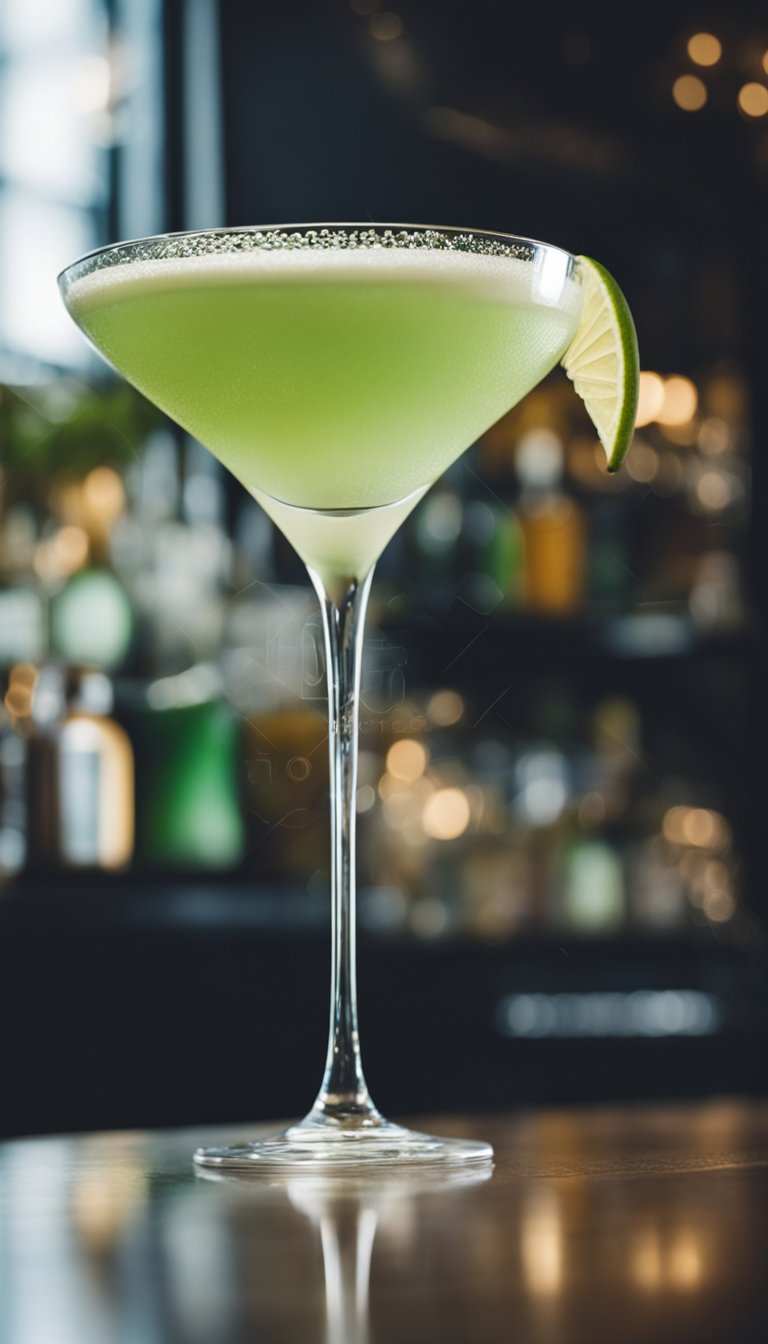
How to shape the future Global Impact of sustainable alcohol-free spirits
In the preceding sections we began an adventure to discover the changing world of sustainable alcohol-free spirits in the European Union (EU). We looked into the dedication to sustainability and innovative solutions and a few notable EU brands at the forefront of towards the eco revolution. In this final installment, we widen our eyes to explore the global impact of alcohol-free, sustainable spirits and their impact on what the next generation of beverage companies will look like.
A Worldwide Shift Towards Sustainability
A Global Phenomenon
However, while the EU has been a leader in the production of sustainable alcohol-free spirits The movement is certainly not restricted to its frontiers. All over the world, from North America to Asia, distilleries and brands are recognizing the importance of environmental responsibility and sustainability in spirits production.
Consumer Demand
One of the driving forces for this shift globally is the rising demand from consumers for sustainable and eco-friendly products. Today’s consumers are not only looking for high-quality drinks, but they also want sustainability. They are looking for choices that align with their values and reduce their environmental impact.
Expanding the Horizons of Brands Beyond Borders
Beyond the EU
We’ve already discussed in other sections The EU boasts a range of famous brands committed to sustainability. But, we shouldn’t forget the importance of distilleries from different regions. Brands come from America, Canada, United States, Canada, Australia, and various Asian countries are creating waves in the sustainability of the alcohol-free spirits landscape.
Special Flavors and Techniques
What sets these brands apart is their distinct regional flavors and production techniques. For instance, American brands may draw upon local botanicals while Asian distilleries are often infused with their products with spices and herbs from the past.
The impact in the Spirits Industry
The efforts of distilleries as well as brands across the globe have had a dramatic impact on the world of spirits. Here’s how:
Inspirational Change
The recognition and popularity for sustainable alcohol-free spirit brands inspire traditional distilleries and beverage companies alike to reconsider their practices. We are seeing a rising number of industry leaders taking a more sustainable approach and adopting eco-friendly production practices.
A Sustainable Future
Sustainable development isn’t just just a trendy word, but rather a key policy for the future of the industry. From the reduction of carbon emissions all the way to conserving the resources of water spirits producers are now embracing their responsibility as stewards of the environment.
Concluding: A Toast to Sustainability
In this series that we’ve been taking a deep dive into the world of sustainable alcohol-free spirits, beginning with their foundations and new production methods to notable EU and global brands. The experience has exposed the power of sustainability to transform within the industry of spirits.
We raise our glasses to celebrate these amazing advances as we celebrate the shift to green spirits is not an unnoticed trend, but a paradigm shift. It’s a shift towards a more sustainable, responsible and sustainable future for our favorite drinks.
So, whether you’re sipping on an Seedlip Cocktail in London and a Rutte-inspired cocktail in Amsterdam, or exploring the tropical flavors of CalenIfo in Madrid Make sure that your choice contributes to a greener more sustainable and sustainable world.
We thank you for taking us in this informative journey through the world of alcohol-free and sustainable spirits. When we finish this series let’s carry this spirit of sustainability forward and adopt responsible choices with our drinks of choice.
Capture of the Series:
-
The Rise of Sustainable Spirits from the EU that are Alcohol-Free Brands
-
Sustainable, Alcohol-Free Spirits: One Global Perspective
-
Advanced Production Procedures in sustainable, alcohol-free Spirits
-
Notable Brands within the sustainable alcohol-free spirit Movement
-
Moving the future: The Global Impact of Sustainable Alcohol-Free Spirits
Leave a Reply